


Obstetrics and Gynecology
- Presentation
- Healthcare services
- Team
- About diseases or procedures
- Research
- Teaching
- Contact
Codi servei:
Recerca:
Research activities are conducted within the Department of Gynecology and Obstetrics in coordination with the Germans Trias i Pujol Research Institute (IGTP), the Autonomous University of Barcelona (UAB), and other national and international centers.
In 2023, the Gynecology and Obstetrics team established itself as the "Women and Health" (DiS) research group, affiliated with the Community Research area of the Germans Trias i Pujol Research Institute (IGTP). This group brings together professionals from various fields within gynecology and obstetrics to conduct its own cross-cutting, multidisciplinary clinical research projects. These projects focus on the various factors affecting and influencing women's sexual and reproductive health across all stages of life, consistently centering the gender perspective and prioritizing actions that promote women's health.
Key research areas include maternal-fetal health and metabolic programming, endocrine disruptors, preeclampsia, gynecological and oncological conditions, breast pathology, cervical health and human papillomavirus (HPV) infection, pelvic floor health, and surgical innovation.
The department participates in multicenter studies and competitive projects covering gynecological oncology, breast cancer, pelvic floor surgery, prehabilitation, and precision medicine. Notable among these are the HINCOA1, PAROLA, and SOPHIE II studies, as well as projects developing three-dimensional preclinical models for precision medicine.
In the field of innovation, the department participates in the SESHAT project—focused on applying technologies such as virtual and augmented reality to complex pelvic surgery—and develops e-Health projects targeting ovarian cancer, breast cancer, and the pregnancy, childbirth, and postpartum process.
Team
Head of the group: Inés Velasco López. MD, PhD.
Head of the Ginecology Service: Sergio Martínez Román. MD,PhD.
Gynecologists
- Carla Lecumberri Estruch. MD, PhD.
- Miguel Ángel Luna Miguel. MD, PhD.
- Rosana Díaz Souto. MD
Head of the Obstetrics Service: Carmen Comas Gabriel. MD, PhD.
Obstetricians:
- Laia Pratcorona Alicart. MD, PhD.
- Ivan Hurtado Lupiañez. MD, PhD.
- Marta Ricart Calleja. MD.
- Beatriz Lorente Silva. MD.
Head of midwives: Laura Tarrats Velasco. PhD.
Midwives:
- Pablo Rodríguez Coll, PhD
- Lorena Segovia Navarro
Pediatrician:
- Paula Sol Ventura. MD,PhD.
Research lines
Thematic areas under development:
1. Endocrine disruptors
The HYPIEND project, funded by the European Commission under the Horizon Europe Framework Programme (Grant Agreement ID: 101137440; https://cordis.europa.eu/project/id/101137440), aims to understand the effects of exposure to endocrine disruptors on function and epigenetic programming. It also seeks to identify intervention strategies to minimize both exposure and the resulting consequences for the neuroendocrine system during the perinatal and prepubertal stages. Within this project, the group is leading two intervention studies involving vulnerable populations: A study involving pregnant women, conducted in Spain, Poland, and Belgium. A study involving schoolchildren, carried out in Spain and Belgium.
2. Preeclampsia
In recent years, the group has participated in multicenter studies conducted in the country regarding the prevention, detection, and treatment of preeclampsia. This line of work currently represents a strong commitment to collaborative research and scientific output.
3. Preterm birth and preterm premature rupture of membranes (PPROM)
The center has pioneered the use of expectant management for preterm PPROM, leading to a reduction in late preterm births and setting the standard for this approach among local hospitals. Furthermore, in close collaboration with the Neonatology Department, efforts are underway to improve comprehensive care for families at risk of preterm birth.
4. Metabolic programming
The department has its own research line, conducted in collaboration with the Endocrinology Department, which investigates various metabolic scenarios, such as thyroid disorders and maternal diabetes and obesity. This area of research has secured funding through three national public calls for proposals.
5. Breastfeeding
A research initiative is being carried out in collaboration with the Department of Chemistry at the University of Huelva’s Faculty of Experimental Sciences; it aims to continue identifying new bioactive components in human breast milk that may play a role in digestive and neurocognitive development.
6. Obstetric violence
The group reinforces its commitment to women's reproductive rights and the fight against all forms of violence against women through an innovative project called the INLOVE Study. This project is currently designing a specific tool (a questionnaire or measurement scale) to evaluate the practices and procedures used during induced labors from the perspectives of women, healthcare professionals, and medical students.
7. Gender dimension
In the service's activities, it is considered essential to incorporate and analyze the voices, preferences, choices, complaints, and demands of women in any preventive, clinical, or strictly research-related procedure.
Presentation:
The Gynecology and Obstetrics departments are part of the Territorial Clinical Directorate for Gynecology and Obstetrics.
Obstetrics
At Germans Trias i Pujol Hospital, we support women throughout pregnancy, childbirth, and the postpartum period, providing safe, respectful, and personalized care. We are the referral center for obstetrics in the Northern Metropolitan Area, managing both uncomplicated pregnancies and high-risk cases.
Our goal is to provide comprehensive care that combines high-complexity medical support with a human-centered, personal approach. To this end, we are equipped to handle everything from natural, low-intervention births at the 'Casa Laietània' (Birthing Center) to the most complex cases in our conventional delivery rooms, which feature state-of-the-art technology.
The department relies on a multidisciplinary team available 24 hours a day—including obstetricians, midwives, anesthesiologists, and neonatologists—to ensure safety and comfort at all times.
Furthermore, we participate in research and innovation projects through the Germans Trias i Pujol Research Institute, aiming to continuously improve maternal and perinatal health.
What sets us apart is our ability to manage both highly complex pregnancies and births requiring minimal intervention, always placing the woman and her family at the heart of the process.
Gynecology
Modern gynecological surgery—whether for oncological or benign conditions—prioritizes minimally invasive approaches due to their significant benefits in reducing complications and enhancing patient comfort. At Germans Trias, the majority of procedures are performed laparoscopically or vaginally, and the center currently offers robotic-assisted surgery using the DaVinci system.
In accordance with the Department of Health's directive to centralize complex oncological care, ovarian cancer treatment in Catalonia is currently concentrated in 11 designated referral centers distributed across the region. Germans Trias Hospital serves as the referral center for the Barcelonès Nord and Maresme areas. Treating advanced ovarian cancer is complex and demands a high level of surgical expertise and support services. Patient survival in cases of this serious disease has been shown to be directly linked to the outcome of the initial surgical intervention. The hospital performs this radical surgery with complete primary cytoreduction rates exceeding 75%—well above the minimum quality standards set by gynecologic oncology scientific societies.
Surgical and medical treatment for breast cancer—the most common neoplasm in women—achieves high survival rates, exceeding 90% in the majority of cases. The department also offers the option of breast reconstruction during the same surgical procedure, thereby minimizing the aesthetic and psychological aftereffects associated with the disease. For a subset of patients, intraoperative radiotherapy may be offered as an alternative to postoperative adjuvant radiotherapy.
Although not oncological conditions, genital prolapse and urinary incontinence are highly prevalent issues that impair the quality of life of women today. The department offers comprehensive surgical treatment using advanced transvaginal and laparoscopic techniques.
Highlights of the service
- Germans Trias Hospital strengthens its approach to strokes occurring during pregnancy and the postpartum period with a protocol that is a first for the ICS.
- Germans Trias Hospital and ASACO join forces to mark World Ovarian Cancer Day with a scientific and social event.
- Germans Trias Hospital contributes to the first book in Catalan addressing gender and sex bias in healthcare.
- Hospital professionals present the experience of the first three years of the childbirth care model at the Casa Laietània Birth Center.
- The Hospital's Perinatal Grief Unit attends the inauguration of Badalona's first space dedicated to gestational, perinatal, and neonatal grief.
Tipus Servei: 8
Correu: ginecologia.germanstrias@gencat.cat
Docència:
Undergraduate teaching
- Degree in Medicine. Unitat Docent Germans Trias i Pujol-Universitat Autònoma de Barcelona
► Subjects:
- Obstetrics and Gynecology
- Simulation Applied to Medical and Surgical Knowledge
- Clinical Practice in Gynecology and Obstetrics Bachelor's Thesis
- Hospital Department and Service Internships I
- Hospital Department and Service Internships II
► Professor in charge: Dr. Miguel Ángel Luna Tomás
► Associate professors
- Elvira Carballas Valencia
- Carmina Comas Gabriel
- Raúl De Diego Burillo
- Rosana Díaz Souto
- Mar Framis Utset
- Iván Hurtado Lupiáñez
- Carla Lecumberri Estruch
- Miguel Ángel Luna Tomás
- Sergio Martínez Roman
- Júlia Ponce Vila
- Cristian Ríos Gozálvez
- Maider Ripero Olano
- Sonia sánchez Méndez
- Inés Velasco López
- Pilar Duarte Maldonado
- Roser Fibla Taboada
- Natalia García Riaño
- Laia Grau Company
- Gabriela Moreano Pérez
- Vanesa Parriego Martínez
- Leia Peralta Gallego
- Patrícia Díaz Fernández
- Alba Tejada Gázquez
Postgraduate teaching
► Tutors:
- Iván Hurtado Lupiáñez (MIR)
- Miguel Ángel Luna Tomás (MIR)
- Noemí Ramirez Planes (LLIR)
The Multiprofessional Teaching Unit for Obstetrics and Gynecology (UDMOiG) is accredited for three postgraduate training (MIR) positions per year. As the specialty program lasts four years, the unit has a capacity for 12 resident physicians in training. Additionally, the UDMOiG is accredited for four positions per year (with a two-year duration) for midwife training (LLIR).
All residents and trainees actively participate in clinical care, specific clinical and educational sessions, and clinical and basic research projects. Furthermore, the postgraduate training program organizes various simulation-based courses and workshops for residents covering obstetric procedures, postpartum hemorrhage, shoulder dystocia, and minimally invasive gynecological surgery, as well as an introductory course on research.
Several training sessions are held weekly from 8:00 to 9:00 AM:
- Gynecology clinical cases.
- Obstetrics clinical cases.
- Course: Update in Gynecology and Obstetrics. Activity accredited by the CCFPS.
- Joint perinatology session.
- Internal Gynecology and Obstetrics sessions.
- Morbidity and mortality session. Activity accredited by the CCFPS.
There is also the opportunity to participate in the various multidisciplinary committees of which the department is a part: Breast Cancer Committee, Gynecologic Oncology Committee, Cervical Pathology Committee, Fetal Medicine Committee, and High-Risk Obstetrics Committee.
Information for residents
The training guides for Obstetrics and Gynecology at Germans Trias can be consulted below:
- Medicine
- Obstetric-gynecologic nursing
- Find out what our residents think about the Obstetrics and Gynecology service of the Germans Trias
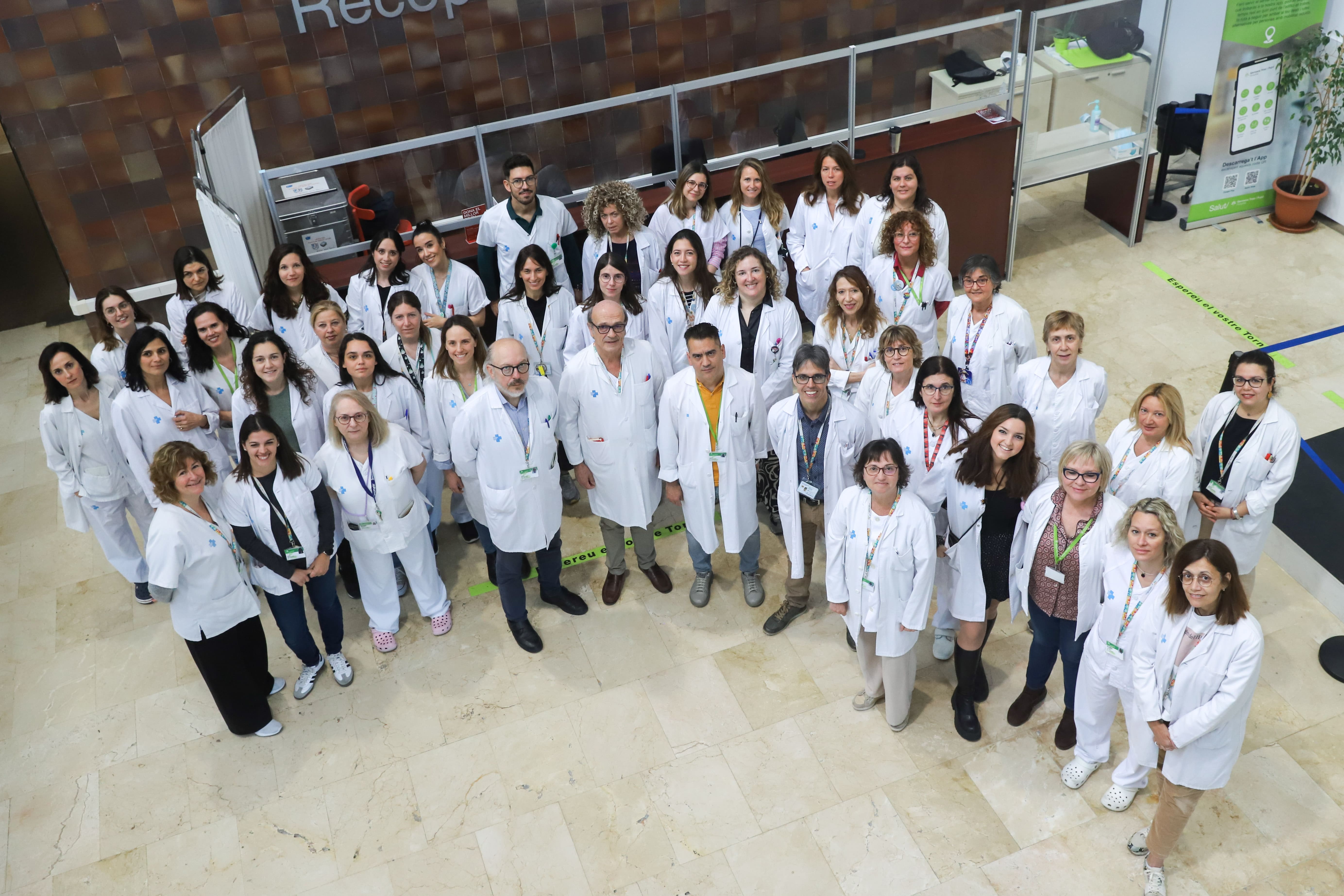
Medical team
Sergio Martínez Román
Head of Gynecology Service. Obstetrics and Gynecology Clinical Director. Doctor in Medicine and Surgery from the University of Barcelona (UB). Associate professor at the UAB.
Carmina Comas Gabriel
Head of Obstetrics Service. Doctor specializing in Gynecology and Obstetrics. Master's degree in hospital management and health services from the UB. Doctorate in Obstetrics and Gynecology from the UB. President of the Fetal Medicine Committee. President of the Clinical Committee on Sex and Gender in Health. Associate professor, Faculty of Medicine UAB
Marina Alcoz Cases
Associate Emergency Doctor
Júlia Bou Tapies
Doctor specializing in Gynecology and Obstetrics
Andrea Buil Tellaeche
Associate Emergency Doctor
Elvira Carballas Valencia
Medical assistant Coordinator of the Gynecological Oncology Functional Unit. Associate professor at the UAB.
Iris Calvo Lopez
Doctor specializing in Gynecology and Obstetrics. Preferred activity in maternity emergencies.
Marina Coma Barberà
Doctor specializing in Gynecology and Obstetrics. Mixed activity, between primary school and hospital
Raul de Diego Burillo
Head of Obstetrics Section. Doctor specializing in Obstetrics and Gynecology. Doctorate in Obstetrics and Gynecology from the UB. Associate Professor at the Faculty of Medicine of the UAB. Accredited Clinical Simulation Instructor.
Rosana Diaz Souto
Medical assistant Pelvic Floor Functional Unit Coordinator. Associate professor at the UAB.
Mª Pilar Duarte Maldonado
Doctor specializing in Obstetrics and Gynecology. Collaborating professor at the UAB.
Ester Duran Arbonés
Assistant doctor ASSIR linked to the DCTGO. Referent of the Pelvic Floor Unit.
Roser Fibla Taboada
Doctor specializing in Obstetrics and Gynecology. Specialist in high obstetric risk. Collaborating professor at the UAB. Member of the Perinatal Mental Health committee
Mar Framis Utset
Assistant doctor ASSIR linked to the DCTGO. Gynecological Oncology Unit.
Natalia García Riaño
Assistant doctor ASSIR linked to the DCTGO. Fetal Medicine Unit.
Laia Grau Company
Doctor specializing in Obstetrics and Gynecology. Member of the Fetal Medicine team. Specialist in fetal cardiology. Collaborating professor at the UAB.
Sonia Gómez Carballo
Assistant doctor ASSIR linked to the DCTGO. Gynecology unit.
Lourdes Guri Arque
Medical assistant Endoscopy and Cervical Pathology functional unit. Referent of care quality.
Iván Hurtado Lupiañez
Head of Emergency area section and delivery room. Doctor specializing in Obstetrics and Gynecology. Delivery Room medical coordinator. Referral of the Fetal Neurosonography Unit. Tutor of MIR Obstetrics and Gynecology. Master in Fetal Medicine by the University of the Sorbonne. Accredited Clinical Simulation Instructor. Doctorate in Obstetrics and Gynecology from the UAB. Associate Professor Faculty of Medicine UAB
Gabriela Moreano Pérez
Doctor specializing in Obstetrics and Gynecology. Mixed activity, primary and hospital. Associate Professor at UAB
Sara Iglesias Ferreiro
Assistant physician ASSIR linked to the DCTGO. Pelvic floor unit and Advanced gynecological ultrasound, deep endometriosis study.
Carla Lecumberri Estruch
Assistant physician ASSIR linked to the DCTGO. Coordinator Functional Unit Cervical Pathology. Doctor of Pediatrics, Obstetrics and Gynecology from the UAB. Associate Professor at UAB.
Beatriz Lorente Silva
Deputy Met. Perinatal Mental Health Reference. Obstetric High Risk Unit, referring in Perinatal Mental Health. Associate Professor at UAB.
Miguel Ángel Luna Tomás
Deputy Met. Breast Pathology Coordinator. Doctor of Medicine and Surgery for the UAB. Director of Senology and Breast Pathology for the UB. Associate Professor at UAB. Tutor of residents. No Hospital studies.
Sara Medina Queralt
Doctor specializing in Gynecology and Obstetrics. Mixed activity, between primary and hospital.
Vanesa Parriego Martínez
Doctor specializing in Obstetrics and Gynecology. Consultation reference of neurological and digestive maternal pathology. Postgraduate in Maternal and Fetal Medicine UB. UAB Associate Professor
Leia Peralta Gallego
Doctor specializing in Obstetrics and Gynecology. Specialist in high risk obstetric, member of the team of maternal pathology nephrology and rheumatology. Collaborating professor at the UAB. Member of the Clinical Commission on Sex and Gender in Health.
Julia Ponce Vilà
Doctor specializing in Obstetrics and Gynecology. Multiple Pregnancy Consultation Reference. Specialist in high risk obstetrics, member of the team of prematurity and multiple gestation. Doctorate in Obstetrics and Gynecology from the UB. Postgraduate diploma in design and statistics in health sciences by the UAB. Collaborating professor at the UAB. Associate Professor Faculty of Medicine UAB.
Laia Pratcorona Alicart
Physician specializing in Obstetrics and Gynecology. Lead for preterm birth prevention. Research coordinator in obstetrics. Specialist in high-risk obstetrics (prematurity). PhD in Obstetrics and Gynecology from the UAB. Associate Professor at the UAB. Accredited instructor in Clinical Simulation.
Marta Ricart Calleja
Physician specializing in Obstetrics and Gynecology. Lead for placental insufficiency, intrauterine growth restriction, and preeclampsia. Coordinator of outpatient clinics and high-risk obstetrics. Specialist in high-risk obstetrics (placental insufficiency and maternal nephrological and rheumatic pathology). PhD candidate in Obstetrics and Gynecology at the UAB. Associate Professor at the UAB.
Cristian Ríos Gozálvez
Staff physician (ASSIR) affiliated with the DCTGO. Breast Pathology. Master’s degree in Senology and Breast Pathology from the University of Barcelona.
Maider Ripero Olano
Staff physician. Coordinator of the Infertility and Gynecological Endocrinology Functional Unit. Master’s degree in Human Reproduction from Rey Juan Carlos I University – Valencian Infertility Institute (IVI). Associate Professor at the UAB.
Diana Sagrera Rectoret
Staff physician (ASSIR) affiliated with the DCTGO. Breast Pathology.
Amalia Sánchez–Migallón Pérez
Staff physician (ASSIR) affiliated with the DCTGO. Gynecology Unit.
Montserrat Serra Landete
Staff physician. Coordinator of the Endoscopy Functional Unit. Advanced gynecological ultrasound, assessment of deep endometriosis.
Marta Tortajada Valle
Staff physician. ASSIR linked to the DCTGO. Endometriosis unit.
Inés Velasco Lopez
Doctor specializing in Gynecology and Obstetrics. Research reference of the DCTGO. Associate professor at the Faculty of Medicine of the UAB.
Mª Soledad Vicén Melús
Doctor specializing in Gynecology and Obstetrics. Continuing Education Coordinator of the service and the Fetal Medicine Committee. Secretary Fetal Medicine Committee. Responsible for the Placental Pathology Monograph. Member of the Fetal Medicine Unit. Collaborating professor at the UAB.
Anna Vilà Famada
Medical assistant ASSIR linked to the DCTGO. Sterility and Gynecological Endocrinology functional unit
Aneta Monika Zientalska Fedonczuk
Doctor specializing in Obstetrics and Gynecology. Medical coordinator of the Fetal Medicine Unit. Reference Unit of Fetal Cardiology. Clinical case coordinator Fetal Medicine Committee. Specialist in fetal cardiology and invasive prenatal diagnosis techniques
Maria Corral Sánchez
Doctor specializing in Gynecology and Obstetrics.
Alba Tejada Gázquez
Doctor specializing in Gynecology and Obstetrics.
Beatriz Bové Tort
Resident doctor
Paula Mazana Casañe
Resident doctor
Alessandro Orlandi
Resident doctor
Aina Valverde Domínguez
Resident doctor
Cristina Viñals Juez
Resident doctor
Anna Zabalía Famadas
Resident doctor
Marta Castells Arnau
Resident doctor
Isabel Gómez-Lobo Camacho
Resident doctor
Núria Parra Ramos
Resident doctor
Nursing team
Laura Tarrats Velasco
Delivery room nursing supervisor
Lydia Benaiges Navarro
Nursing supervisor inpatient unit
Irene de Pedro Herrero
Birth Center nursing supervisor
Midwives
Carolina Pintado Coro
Elisabeth R Rada García
Maria Linares García
Paula Soler Perez
Laura Miguel Triguero
Helena Pueyo Moritz
Gemma Ballesteros Campano
Maria de la Fuente Gil
Uxía Millán agrelo
Iranzu Cabezón Cordón
Anna Ibáñez Fortea
Laura Tarrats Velasco
Eva Bueno Lopez
Marina Castillo Hidalgo
Erica González Muñoz
Belén López Martínez
Antonio López Ollero
Noemí Ramírez Planes
Virginia Rubio Blanco
Lorena Segovia Navarro
Aitziber Uribarren Dominguez
Francisca Arjona Vera
Maria Luz Burgos Sanchez
Marta Forcat Casanovas
Alba Gutierrez Alvarez
Natalia Padilla Hernandez
Elena Santidrian Tudanca
Nerea Segura Rodriguez
Aina Serra Blasco
Jezabel Sierra Perez
Tania Saavedra Naranjo
Lorena Castaño Neira
Maria del Carmen Esteo Amor
Ariadna Miguel Lara
Ana Maria Gonzalez Quiles
Isabel Paez Maldonado
Irene Antúnez Calvente
Maren Alberdi Aizpuru
Paula Martín Navarro
Marta Patiño Serra
Noelia Zamorano Garrido
Míriam Romeu Altes
Maria del Mar Viciana Escamez
Nurses
Elena Perela Garcia
Amanda Martínez Rodríguez
Ana Barco Caña
Victoria Pimas Rodriguez
Nursing Assistant Technicians (TCAI)
Mónica Poza Gómez
Susana Rubio González
Estrella Llaga Rodríguez
Raquel Broto Alvarez
Margot Brithany Peñafiel Mamani
Silvia Costa Martínez
Cristina Muñoz Fernández
Eva Rabadan Perera
Constanta Claudia Butnasaru
Salma Aboulfounoun
Eva Hurtado Pérez
Orderlies
Juan Carlos Rios Rayo
Sergio Sánchez Garcia
Pedro Mula Llerena
Jose Maria Val Mora
Administrative team
Àngels Moreno Jiménez
ginecologia.germanstrias@gencat.cat
Laura Martinez Perez / Neus Atset Díaz
gineiobsplantamaternal.germanstrias@gencat.cat
The Gynecology and Obstetrics departments are part of the Territorial Clinical Directorate for Gynecology and Obstetrics.
Obstetrics
At Germans Trias i Pujol Hospital, we support women throughout pregnancy, childbirth, and the postpartum period, providing safe, respectful, and personalized care. We are the referral center for obstetrics in the Northern Metropolitan Area, managing both uncomplicated pregnancies and high-risk cases.
Our goal is to provide comprehensive care that combines high-complexity medical support with a human-centered, personal approach. To this end, we are equipped to handle everything from natural, low-intervention births at the 'Casa Laietània' (Birthing Center) to the most complex cases in our conventional delivery rooms, which feature state-of-the-art technology.
The department relies on a multidisciplinary team available 24 hours a day—including obstetricians, midwives, anesthesiologists, and neonatologists—to ensure safety and comfort at all times.
Furthermore, we participate in research and innovation projects through the Germans Trias i Pujol Research Institute, aiming to continuously improve maternal and perinatal health.
What sets us apart is our ability to manage both highly complex pregnancies and births requiring minimal intervention, always placing the woman and her family at the heart of the process.
Gynecology
Modern gynecological surgery—whether for oncological or benign conditions—prioritizes minimally invasive approaches due to their significant benefits in reducing complications and enhancing patient comfort. At Germans Trias, the majority of procedures are performed laparoscopically or vaginally, and the center currently offers robotic-assisted surgery using the DaVinci system.
In accordance with the Department of Health's directive to centralize complex oncological care, ovarian cancer treatment in Catalonia is currently concentrated in 11 designated referral centers distributed across the region. Germans Trias Hospital serves as the referral center for the Barcelonès Nord and Maresme areas. Treating advanced ovarian cancer is complex and demands a high level of surgical expertise and support services. Patient survival in cases of this serious disease has been shown to be directly linked to the outcome of the initial surgical intervention. The hospital performs this radical surgery with complete primary cytoreduction rates exceeding 75%—well above the minimum quality standards set by gynecologic oncology scientific societies.
Surgical and medical treatment for breast cancer—the most common neoplasm in women—achieves high survival rates, exceeding 90% in the majority of cases. The department also offers the option of breast reconstruction during the same surgical procedure, thereby minimizing the aesthetic and psychological aftereffects associated with the disease. For a subset of patients, intraoperative radiotherapy may be offered as an alternative to postoperative adjuvant radiotherapy.
Although not oncological conditions, genital prolapse and urinary incontinence are highly prevalent issues that impair the quality of life of women today. The department offers comprehensive surgical treatment using advanced transvaginal and laparoscopic techniques.
Highlights of the service
- Germans Trias Hospital strengthens its approach to strokes occurring during pregnancy and the postpartum period with a protocol that is a first for the ICS.
- Germans Trias Hospital and ASACO join forces to mark World Ovarian Cancer Day with a scientific and social event.
- Germans Trias Hospital contributes to the first book in Catalan addressing gender and sex bias in healthcare.
- Hospital professionals present the experience of the first three years of the childbirth care model at the Casa Laietània Birth Center.
- The Hospital's Perinatal Grief Unit attends the inauguration of Badalona's first space dedicated to gestational, perinatal, and neonatal grief.
Obstetrics Service Portfolio
Maternal emergencies, delivery suite, and Birth Center
- Natural birth care for low-risk pregnancies.
- Natural birth care for low-risk pregnancies at the Casa Laietània Birth Center.
- Water birth care (during both the dilation and delivery phases).
- Minimally medicalized birth care for low-risk pregnancies.
- High-risk birth care.
- Use of nitrous oxide (Entonox®) for pain relief during labor.
- Labor induction using pharmacological and mechanical methods (in-hospital and at-home).
- Perinatal bereavement care and support.
- External cephalic version.
- Obstetric cerclage.
- Invasive techniques for prenatal diagnosis, fetal therapy (amniodrainage, thoracentesis), and screening for intra-amniotic infection.
- Legal and voluntary termination of pregnancy.
- Care for full-term and premature newborns, including cases of extreme prematurity.
- Obstetric and gynecological emergency consultations.
- Reverse referral pathway for low-complexity emergencies to primary care.
- Umbilical cord blood donation (donation and management procedure via the collaboration agreement between the ICS and the Blood and Tissue Bank—Concordia program). Donation of umbilical cord blood stem cells for potential autologous use.
High-Risk Obstetrics Unit
This unit provides preconception counseling, pregnancy monitoring, and postpartum care for patients meeting high-risk obstetric criteria. Care is centered on the pregnant woman and coordinated with the midwifery team and the designated ASSIR (Sexual and Reproductive Health Care Service) for the patient's convenience. Care for high-risk pregnancies is provided through the following specialized clinics:
- Hypertensive disorders of pregnancy and fetal growth abnormalities.
- Prevention of preterm birth.
- Pregestational diabetes and other endocrine/metabolic disorders.
- Multiple pregnancies and associated complications.
- Fetal hematology.
- Perinatal infections.
- Autoimmune, rheumatological, and nephro-urological diseases.
- Perinatal mental health.
- Digestive and neurological disorders.
In addition to strictly adhering to clinical care protocols, the High-Risk Obstetrics Committee conducts multidisciplinary evaluations of the most complex cases.
Fetal Medicine Unit
This unit comprises the Prenatal Diagnosis Unit, the Fetal Well-being Unit, and the Fetal Medicine Committee.
Prenatal Diagnosis Unit
Prenatal counseling visits are conducted, utilizing screening techniques, diagnostic imaging, and genetic diagnostics within the field of fetal medicine. Following the prenatal diagnosis of a condition, a diagnostic and prognostic assessment is carried out in conjunction with the Fetal Medicine Committee. Subsequently, individualized perinatal monitoring is provided through a multidisciplinary approach, and delivery is planned with the attending obstetrician when necessary.
The services offered are as follows:
- Screening for chromosomal abnormalities and pre-eclampsia during the first-trimester ultrasound.
- Early morphological ultrasound (14–16 weeks).
- Anatomical morphological ultrasound (20–22 weeks).
- Fetal growth ultrasound with Doppler.
- 3D/4D ultrasound.
- Non-invasive screening for chromosomal abnormalities using maternal blood (cell-free DNA analysis, in accordance with the 2018 Generalitat protocol).
- Determination of fetal Rh(D) erythrocyte genotype from a maternal peripheral blood sample.
- Ultrasound for high-risk pregnancies (exposure to teratogenic drugs, perinatal infections, diabetes, obesity, hypertension, threatened preterm labor, fetal growth abnormalities, etc.).
- Monitoring of monochorionic twin pregnancies and multiple pregnancies.
- Fetal cardiology: diagnosis, counseling, and multidisciplinary follow-up of fetal cardiovascular conditions, conducted by an obstetrician specializing in fetal echocardiography, a clinical geneticist, a pediatric cardiologist, and a neonatologist.
- Fetal neurology: diagnosis, counseling, and multidisciplinary follow-up of fetal central nervous system conditions, conducted by an obstetrician specializing in fetal neurosonography, a clinical geneticist, a pediatric neurologist, a neurosurgeon, a radiologist, and a neonatologist.
- Invasive diagnostic and therapeutic procedures:
- Chorionic villus sampling (transvaginal and transabdominal approaches).
- Amniocentesis.
- Cordocentesis.
- Embryo reduction.
- Induction of fetal demise prior to pregnancy termination.
- Amniodrainage and amnioinfusion.
- Management of fetal hydrothorax: thoracentesis and placement of a pleuro-amniotic catheter.
- Multidisciplinary evaluation by the Fetal Medicine Committee.
Fetal Well-being Unit
Ultrasound-based obstetric consultations are conducted, employing a comprehensive approach to maternal-fetal monitoring, particularly for patients with high-risk pregnancies.
- The Fetal Well-being Unit offers the following services:
- Ultrasound assessment of fetal growth.
- Maternal-fetal hemodynamic studies using Doppler ultrasound.
- Cardiotocographic monitoring and biophysical profile.
- Monitoring of dichorionic twin pregnancies.
- Ultrasound assessment of placental abnormalities.
- Ultrasound monitoring of pregnancies at high risk of preterm birth.
- Monitoring of prolonged pregnancies.
Inpatient Unit
The maternity ward is located on the fifth floor of the Maternal and Child Health building.
The following services are provided to hospitalized patients under the care of the Obstetrics Department:
- Standard inpatient care.
- Care in a semi-critical care unit/beds.
- Consultations with other specialties.
- Nursing care based on standardized care plans.
- Admission of pregnant women with medical conditions.
- Support for perinatal bereavement.
- Breastfeeding counseling and support.
- Coordinated early discharge for mother and baby.
Prenatal intake visit for low-risk pregnancies.
Group information sessions at the center regarding natural and assisted birth. Multidisciplinary information sessions specifically for high-risk pregnancies.
Furthermore, the Obstetrics Department has a Committee for the Prevention of Obstetric Violence (PVO). This serves as a forum for discussion among professionals across all areas of the specialty—including obstetricians, midwives, nurses, and psychologists—placing special emphasis on the proper application of protocols, procedures, and respectful treatment of women and their families, while also analyzing related claims, complaints, and suggestions.
Gynecology Service Portfolio
Territorial functional unit of oncological gynecology
- Multidisciplinary and territorial unit of the Barcelonès Nord i Maresme for the treatment of gynecological neoplasias.
- Coordinated surgical, medical and radiotherapy treatment of cervical cancer, ovarian cancer, endometrial cancer, vulvar cancer, gynecological sarcomas and trophoblastic neoplasias.
- Territorial integration with tertiary complexity centered on the Hospital.
Breast Unit
- Rapid diagnosis of breast cancer.
- Consultations with various breast cancer specialists: Gynecology, Medical Oncology, Radiation Oncology, Genetic Counseling, Rehabilitation, Psycho-oncology, Social Work, and Nursing.
- Mammography, ultrasound, and breast MRI.
- Breast-conserving and radical breast cancer surgery.
- Oncoplastic and reconstructive surgery.
- Intraoperative radiotherapy.
- Diagnosis and treatment of benign breast conditions.
- Rehabilitation pathway and support groups.
Pelvic Floor Unit
- Multidisciplinary pelvic floor clinic.
- Urodynamics and pelvic floor rehabilitation.
- Treatment of urinary incontinence, pelvic organ prolapse, and female pelvic pain. Vaginal and laparoscopic surgery: vaginal hysterectomy, vaginal repair procedures, minimally invasive techniques for correcting urinary incontinence, and placement of prostheses and mesh.
Infertility and Gynecological Endocrinology Unit
- Diagnosis and treatment of primary and secondary infertility and recurrent pregnancy loss.
- Artificial insemination with partner's sperm.
- Diagnosis and treatment of gynecological endocrine disorders.
- Pediatric and adolescent gynecology.
- Disorders of Sex Development Unit: a multidisciplinary unit—in collaboration with pediatric surgery, pediatrics, endocrinology, and clinical genetics—dedicated to the diagnosis, treatment, and follow-up of disorders of sex development.
Benign gynecological surgery
Many of the procedures detailed below can be performed on an outpatient basis. If hospitalization is required, the stay typically does not exceed 48–72 hours.
- Outpatient hysteroscopic surgery: endometrial polypectomy, myomectomy, IUD removal.
- Laparoscopic and laparotomic surgery: hysterectomy, myomectomy, deep endometriosis surgery.
- Laparoscopic tubal sterilization.
- Treatment of cervical, vaginal, and vulvar dysplasia.
- Surgery for benign breast conditions.
Transgender surgery unit
- Multidisciplinary unit (involving Plastic Surgery and Urology) dedicated to sex reassignment surgery.
- Gynecology involvement in feminization and masculinization surgeries for transgender individuals.
Key service information | Childbirth care | Obstetrics protocols | Gynecology protocols
Key Service Information
- Regional reference center for highly complex gynecologic oncologic surgery
Germans Trias Hospital is a regional reference center for the treatment of highly complex gynecologic cancer. For ovarian cancer, it serves as the reference center for the Barcelonès Nord and Maresme areas and ranks among the hospitals in Catalonia treating the highest number of cases. The service possesses expertise in radical surgery for advanced ovarian cancer, minimally invasive and robotic surgery, fluorescence-guided surgery, radioguided sentinel lymph node surgery, and salvage exenterative surgery with reconstruction.
- Breast Functional Unit: breast-conserving surgery, oncoplastic surgery, and reconstruction
The Breast Functional Unit offers a comprehensive, multidisciplinary approach to breast cancer. In 2025, 283 patients underwent surgery for breast cancer. Of these, 72.8% underwent simple breast-conserving or oncoplastic surgery, utilizing techniques such as reduction patterns, the round-block technique, and LICAP. Among patients undergoing mastectomy, immediate reconstruction was performed in 79% of cases, employing both prosthetic and microsurgical techniques, such as DIEP.
- Multidisciplinary Transgender Surgery Unit
The Gynecology Department participates in a multidisciplinary transgender surgery unit, in coordination with the Plastic Surgery and Urology departments. This structure enables the provision of a coordinated, specialized surgical approach within a tertiary hospital setting, tailored to each individual's needs and preferences.
- Pioneering Protocol for Stroke During Pregnancy and the Postpartum Period
Germans Trias Hospital has developed the first and only protocol within the Catalan Health Institute hospital network for the assessment, management, and treatment of acute stroke during pregnancy and the postpartum period. The protocol covers ischemic stroke, hemorrhagic stroke, and cerebral venous thrombosis; it was developed through a multidisciplinary effort involving the Neurology and Obstetrics & Gynecology departments, with the participation of Interventional Neuroradiology, Radiology, Anesthesiology, Pharmacology, and Biophysics.
- Casa Laietània: the ICS’s first Birth Center
Casa Laietània is the Birth Center at Germans Trias i Pujol Hospital and was the first Birth Center established by the Catalan Health Institute (ICS). It offers a woman- and family-centered model of care for physiological birth, featuring the midwife as the primary care provider and an environment that fosters privacy, mobility, and the woman's active participation. At the same time, it is integrated into a high-complexity hospital, ensuring immediate access to Obstetrics, Neonatology, and Anesthesiology teams whenever needed.
Childbirth Care
The care provided by the Obstetrics Service at Germans Trias i Pujol Hospital—covering pregnancy, childbirth, and the postpartum period—is centered on the woman and her family, aiming to be respectful, personalized, safe, and comprehensive. We cater to women with both low-risk and complex pregnancies, offering a range of care options that ensure an appropriate response for every situation: from Casa Laietània—an intimate, home-like setting for women seeking low-intervention childbirth care—to the conventional delivery suite offering highly specialized, round-the-clock care.
A key distinguishing feature of our service is the establishment of specialized clinics dedicated to maternal health, enabling highly specialized, multidisciplinary care tailored to each woman's specific needs. We work in teams formed jointly with other hospital departments to address:
- Endocrine disorders and gestational diabetes.
- Perinatal mental health.
- Renal disease and hypertension during pregnancy.
- Autoimmune and rheumatological diseases.
- Maternal heart disease and cardiovascular risk.
- Digestive disorders.
- High risk of preterm birth.
This model of care establishes us as a referral center for maternal and perinatal health. Our clinical work is complemented by research and innovation through the Germans Trias i Pujol Research Institute, as well as by our teaching activities, which link us to the training of future generations of professionals.
All of this makes us special: a service capable of offering the most natural and respectful care whenever possible, and the most specialized, technology-driven care when necessary—always placing the woman and the family at the center.
Obstetric Protocols
- Perinatal management at the limit of viability
- Threatened preterm labor
- Anemia in pregnancy and the postpartum period
- Intrahepatic cholestasis of pregnancy
- Periconceptional/perinatal genetic counseling
- Management and treatment of pregnancy and delivery in women with HIV
- Triple I chorioamnionitis
- Corticosteroids for fetal lung maturation
- Fetal growth disorders
- Gestational diabetes
- Thyroid dysfunction during pregnancy
- Decreased fetal movements
- Shoulder dystocia
- Organ and tissue donation in perinatology and neonatology
- Prolonged pregnancy
- Fetal echocardiography
- Functional fetal echocardiography
- Hypertensive disorders of pregnancy
- Streptococcus agalactiaenand pregnancy
- Twin pregnancy
- Ectopic pregnancy
- Hyperemesis gravidarum
- Stroke and pregnancy/postpartum
- Labor induction
- Congenital perinatal infections
- Fetal macrosomia
- Chronic kidney disease and pregnancy
- Obesity and pregnancy
- Dystocic labor
- Vaginal birth after cesarean section
- Prevention of preterm birth: short cervix and cervical insufficiency
- Antithrombotic prophylaxis in pregnancy and the postpartum period
- Fourth trimester of pregnancy
- Premature rupture of membranes
- Prenatal ultrasound screening
- Substance use disorder and pregnancy
- Trauma and pregnancy
- External cephalic version
Gynecology Protocols
- Amenorrhea
- Bladder emptying dysfunction and acute urinary retention
- Urinary incontinence in adult women
- Pelvic inflammatory disease
- Management of abdominal surgical wounds in gynecology
- Adnexal masses
- Uterine fibroids
- Hydatidiform mole
- Pelvic organ prolapse in women
- Abnormal uterine bleeding
- Ovarian hyperstimulation syndrome
- Treatment of VAIN
- Treatment of VIN
- Genital ulcers
► Return to the top of the page
Research activities are conducted within the Department of Gynecology and Obstetrics in coordination with the Germans Trias i Pujol Research Institute (IGTP), the Autonomous University of Barcelona (UAB), and other national and international centers.
In 2023, the Gynecology and Obstetrics team established itself as the "Women and Health" (DiS) research group, affiliated with the Community Research area of the Germans Trias i Pujol Research Institute (IGTP). This group brings together professionals from various fields within gynecology and obstetrics to conduct its own cross-cutting, multidisciplinary clinical research projects. These projects focus on the various factors affecting and influencing women's sexual and reproductive health across all stages of life, consistently centering the gender perspective and prioritizing actions that promote women's health.
Key research areas include maternal-fetal health and metabolic programming, endocrine disruptors, preeclampsia, gynecological and oncological conditions, breast pathology, cervical health and human papillomavirus (HPV) infection, pelvic floor health, and surgical innovation.
The department participates in multicenter studies and competitive projects covering gynecological oncology, breast cancer, pelvic floor surgery, prehabilitation, and precision medicine. Notable among these are the HINCOA1, PAROLA, and SOPHIE II studies, as well as projects developing three-dimensional preclinical models for precision medicine.
In the field of innovation, the department participates in the SESHAT project—focused on applying technologies such as virtual and augmented reality to complex pelvic surgery—and develops e-Health projects targeting ovarian cancer, breast cancer, and the pregnancy, childbirth, and postpartum process.
Team
Head of the group: Inés Velasco López. MD, PhD.
Head of the Ginecology Service: Sergio Martínez Román. MD,PhD.
Gynecologists
- Carla Lecumberri Estruch. MD, PhD.
- Miguel Ángel Luna Miguel. MD, PhD.
- Rosana Díaz Souto. MD
Head of the Obstetrics Service: Carmen Comas Gabriel. MD, PhD.
Obstetricians:
- Laia Pratcorona Alicart. MD, PhD.
- Ivan Hurtado Lupiañez. MD, PhD.
- Marta Ricart Calleja. MD.
- Beatriz Lorente Silva. MD.
Head of midwives: Laura Tarrats Velasco. PhD.
Midwives:
- Pablo Rodríguez Coll, PhD
- Lorena Segovia Navarro
Pediatrician:
- Paula Sol Ventura. MD,PhD.
Research lines
Thematic areas under development:
1. Endocrine disruptors
The HYPIEND project, funded by the European Commission under the Horizon Europe Framework Programme (Grant Agreement ID: 101137440; https://cordis.europa.eu/project/id/101137440), aims to understand the effects of exposure to endocrine disruptors on function and epigenetic programming. It also seeks to identify intervention strategies to minimize both exposure and the resulting consequences for the neuroendocrine system during the perinatal and prepubertal stages. Within this project, the group is leading two intervention studies involving vulnerable populations: A study involving pregnant women, conducted in Spain, Poland, and Belgium. A study involving schoolchildren, carried out in Spain and Belgium.
2. Preeclampsia
In recent years, the group has participated in multicenter studies conducted in the country regarding the prevention, detection, and treatment of preeclampsia. This line of work currently represents a strong commitment to collaborative research and scientific output.
3. Preterm birth and preterm premature rupture of membranes (PPROM)
The center has pioneered the use of expectant management for preterm PPROM, leading to a reduction in late preterm births and setting the standard for this approach among local hospitals. Furthermore, in close collaboration with the Neonatology Department, efforts are underway to improve comprehensive care for families at risk of preterm birth.
4. Metabolic programming
The department has its own research line, conducted in collaboration with the Endocrinology Department, which investigates various metabolic scenarios, such as thyroid disorders and maternal diabetes and obesity. This area of research has secured funding through three national public calls for proposals.
5. Breastfeeding
A research initiative is being carried out in collaboration with the Department of Chemistry at the University of Huelva’s Faculty of Experimental Sciences; it aims to continue identifying new bioactive components in human breast milk that may play a role in digestive and neurocognitive development.
6. Obstetric violence
The group reinforces its commitment to women's reproductive rights and the fight against all forms of violence against women through an innovative project called the INLOVE Study. This project is currently designing a specific tool (a questionnaire or measurement scale) to evaluate the practices and procedures used during induced labors from the perspectives of women, healthcare professionals, and medical students.
7. Gender dimension
In the service's activities, it is considered essential to incorporate and analyze the voices, preferences, choices, complaints, and demands of women in any preventive, clinical, or strictly research-related procedure.
Undergraduate teaching
- Degree in Medicine. Unitat Docent Germans Trias i Pujol-Universitat Autònoma de Barcelona
► Subjects:
- Obstetrics and Gynecology
- Simulation Applied to Medical and Surgical Knowledge
- Clinical Practice in Gynecology and Obstetrics Bachelor's Thesis
- Hospital Department and Service Internships I
- Hospital Department and Service Internships II
► Professor in charge: Dr. Miguel Ángel Luna Tomás
► Associate professors
- Elvira Carballas Valencia
- Carmina Comas Gabriel
- Raúl De Diego Burillo
- Rosana Díaz Souto
- Mar Framis Utset
- Iván Hurtado Lupiáñez
- Carla Lecumberri Estruch
- Miguel Ángel Luna Tomás
- Sergio Martínez Roman
- Júlia Ponce Vila
- Cristian Ríos Gozálvez
- Maider Ripero Olano
- Sonia sánchez Méndez
- Inés Velasco López
- Pilar Duarte Maldonado
- Roser Fibla Taboada
- Natalia García Riaño
- Laia Grau Company
- Gabriela Moreano Pérez
- Vanesa Parriego Martínez
- Leia Peralta Gallego
- Patrícia Díaz Fernández
- Alba Tejada Gázquez
Postgraduate teaching
► Tutors:
- Iván Hurtado Lupiáñez (MIR)
- Miguel Ángel Luna Tomás (MIR)
- Noemí Ramirez Planes (LLIR)
The Multiprofessional Teaching Unit for Obstetrics and Gynecology (UDMOiG) is accredited for three postgraduate training (MIR) positions per year. As the specialty program lasts four years, the unit has a capacity for 12 resident physicians in training. Additionally, the UDMOiG is accredited for four positions per year (with a two-year duration) for midwife training (LLIR).
All residents and trainees actively participate in clinical care, specific clinical and educational sessions, and clinical and basic research projects. Furthermore, the postgraduate training program organizes various simulation-based courses and workshops for residents covering obstetric procedures, postpartum hemorrhage, shoulder dystocia, and minimally invasive gynecological surgery, as well as an introductory course on research.
Several training sessions are held weekly from 8:00 to 9:00 AM:
- Gynecology clinical cases.
- Obstetrics clinical cases.
- Course: Update in Gynecology and Obstetrics. Activity accredited by the CCFPS.
- Joint perinatology session.
- Internal Gynecology and Obstetrics sessions.
- Morbidity and mortality session. Activity accredited by the CCFPS.
There is also the opportunity to participate in the various multidisciplinary committees of which the department is a part: Breast Cancer Committee, Gynecologic Oncology Committee, Cervical Pathology Committee, Fetal Medicine Committee, and High-Risk Obstetrics Committee.
Information for residents
The training guides for Obstetrics and Gynecology at Germans Trias can be consulted below:
- Medicine
- Obstetric-gynecologic nursing
- Find out what our residents think about the Obstetrics and Gynecology service of the Germans Trias
Contacte: ginecologia.germanstrias@gencat.cat